
Navigating the “Zone of Chaos”
Apr 14, 2026
A Practical Guide to Perimenopause, Your Gut, and Midlife Vitality
In March, I went sailing for what I thought would be a leisurely Saturday. Instead, we ended up in an impromptu beer-can race: constant tacking, a sail in the water, and we finished dead last. After that, I told my husband I wanted a pontoon boat. That day felt a lot like perimenopause: a race we never signed up for, where constant management leaves you exhausted. I’d much rather be basking in the sun, gliding through gentle waves with a charcuterie board and good conversation. If you’re 35+ and noticing new symptoms, this guide will help you understand what’s happening, reframe midlife as an opportunity, and give practical, day-to-day strategies you can start using now so you can "sail" through your midlife years;)
What are Perimenopause and Menopause?
Perimenopause is the transition toward menopause driven by fluctuating estrogen and progesterone as ovarian function changes. It commonly begins between the late 30s and mid-40s, but can vary. Menopause is medically confirmed after 12 consecutive months without a period; postmenopause follows and typically involves lower but steadier hormones. Symptoms can affect nearly every system in the body, including reproductive, metabolic, nervous, and digestive, so a multi-system approach is essential.
Quiz: Is My Body in Hormonal Transition?
Use this quick checklist to see if your body might be in perimenopause or postmenopause. Check any items you’re experiencing and note patterns and severity.
Body composition: unexplained weight gain, loss of muscle, increased belly fat, slower metabolism
Brain & mood: brain fog, memory lapses, mood swings, anxiety, low motivation
Cycle & hormones: heavier/lighter periods, irregular cycles, intense PMS (skip if postmenopausal)
Physical: hot flashes, night sweats, joint pain, hair loss, vaginal dryness, frequent UTIs
Sleep & energy: difficulty falling/staying asleep, daytime fatigue
Sexual health: decreased libido, pain with intercourse
Gut: bloating, cravings, constipation, water retention
What your answers may be telling you:
- Several symptoms + ongoing cycles = likely perimenopause.
- No period for 12+ months = postmenopause.
Both scenarios warrant lifestyle support and, when needed, targeted clinical care.
The Upside of Midlife: A Reframe
Midlife isn’t only about loss; it’s often a time of gain. Many women report greater self-awareness, clearer boundaries, renewed focus on health, rediscovered passions, deeper relationships, and increased confidence. Viewing midlife as an invitation to prioritize what truly matters can shift your experience from crisis management to empowered transformation.
Stepping Into Your Next Chapter
Before diving into tactics, ask yourself: How do I want to feel in this next phase? Use that clarity to set values-based goals. Small, consistent changes produce the biggest results. Consider these reflective prompts:
- What’s already working I can build on?
- What would I love more of in my health and life?
- Who do I need to become to embody my healthiest self? Visualize your future self and write a short Well-Being statement to anchor your actions.
Lifestyle Recommendations (Start with one or two)
These practical habits support hormones, the nervous system, digestion, and metabolism:
- Eat a protein-rich breakfast (30+ g) to stabilize blood sugar
- Include protein, healthy fats, and fiber at every meal
- Limit ultra-processed foods, refined sugars, and refined grains
- Walk 7,500+ steps daily; take 15–30 minutes after meals
- Resistance train 30 minutes, 3–4x/week to preserve muscle and bone
- Get morning sunlight within an hour of waking
- Prioritize consistent bedtimes and 7–9 hours of sleep
- Reduce alcohol and social media; spend time with supportive people
- Eat a diverse, fiber-rich (Mediterranean-style) diet to support the gut
- Stay hydrated and consider electrolyte balance
- Address nutrient gaps with targeted supplements when appropriate
Daily Rhythm Example
Morning: Wake consistently, get sunlight, hydrate, eat protein, optional light movement — supports cortisol rhythm and energy.
Midday: Balanced lunch, short walk, sunlight, hydration — supports digestion and sustained energy.
Afternoon: Resistance training or longer walk; balanced dinner; short post-meal walk — supports muscle, insulin sensitivity, and hormones.
Evening: Dim lights, reduce screens, connect or relax, finish eating 2–3 hours before bed — supports nervous system regulation and sleep.
Night: Consistent bedtime, wind-down routine (reading, stretching, breathwork) — supports hormone repair and recovery.
Conclusion: Burke’s Law: Why Root Causes Matter
If lifestyle changes and hormone therapy aren’t delivering the results you were expecting, I recommend taking a deeper look. Burke's Law: If you are following most of the lifestyle recommendations above, such as eating salads, meditating, seeing a therapist, and protecting your sleep. If root causes remain unresolved, your progress will plateau and regress.
Persistent symptoms often trace back to five root causes:
- Disrupted gut microbiome
- Nutrient deficiencies
- Chronic infections
- Toxin burden
- Dysregulated nervous system
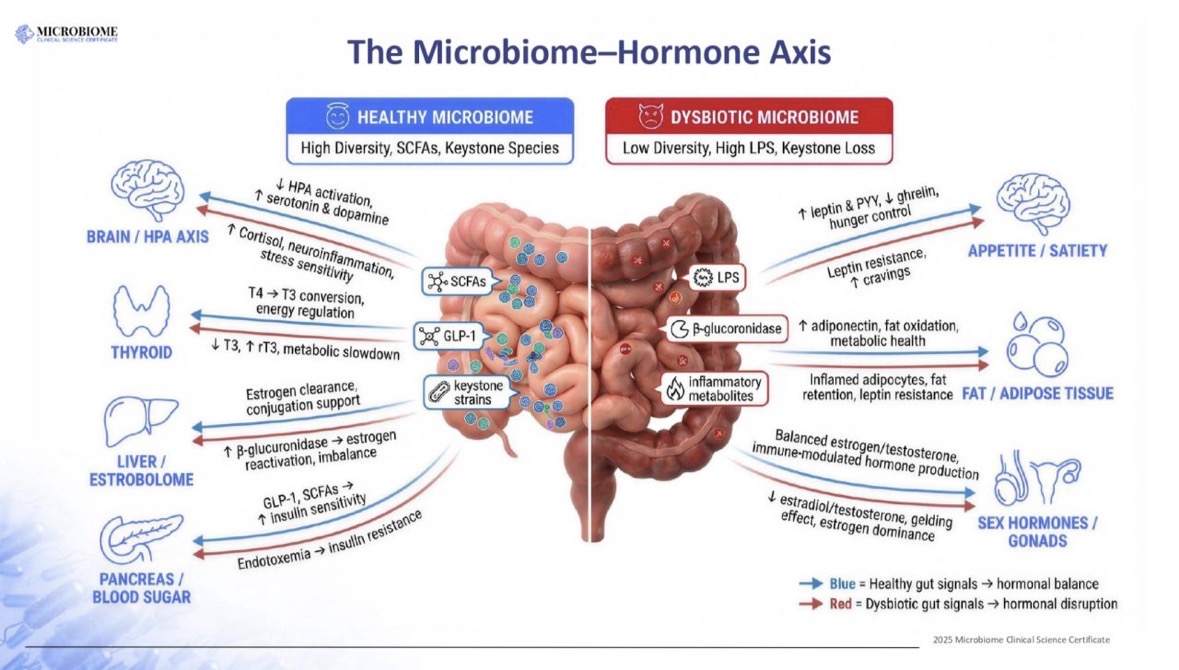
When to Seek Clinical Support
If you’re experiencing severe symptoms, rapid changes, significant weight shifts, or unresolved gut issues (bloating, food sensitivities, ongoing brain fog, anxiety), consider working with a functional nutritionist or health coach who can run functional labs and evaluate root causes: microbiome status, nutrient levels, genetics, thyroid function, lipid ratios, and bone markers (ALP), among others.
🧪 Launch of Fullscript Journeys
With the recent launch of Fullscript Journeys, I am looking for women (35 years or older) who want root-cause clarity.
As a case study volunteer, we will use a comprehensive assessment combined with professional blood (serum) labs to map out exactly what your body needs right now.
Who this is for:
- Women 35+ already on or considering HRT
- Doing “all the right things” but not seeing results
- Experiencing weight plateaus, fatigue, or cholesterol changes
- Wanting a more complete view of their health to include inflammation, metabolism, and thyroid markers
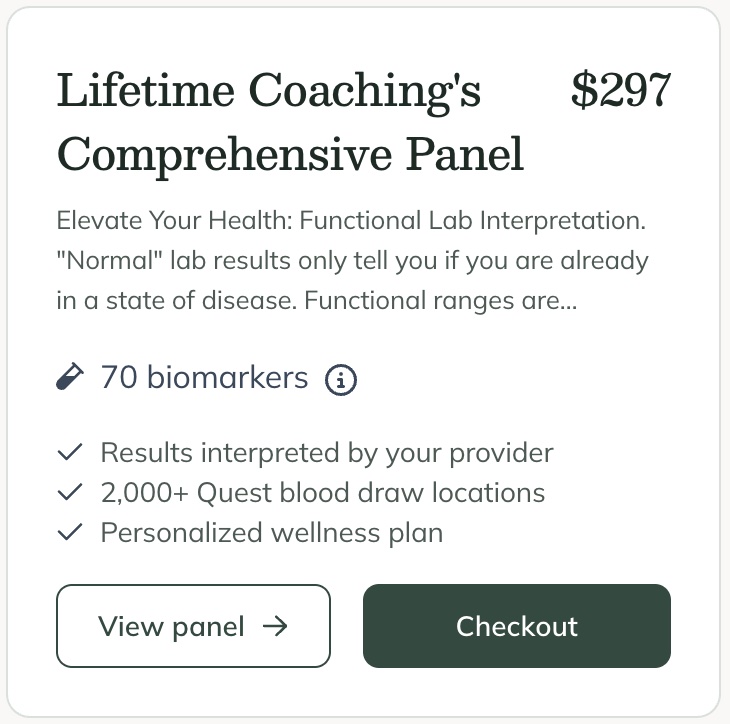
- An easy and economical way to order yearly Wellness Blood Labs and have them evaluated through functional ranges
TL:DR
Midlife is not a problem to be fixed but a transition to be navigated. With awareness, targeted lifestyle choices, and attention to root causes, especially your gut, you can move from a choppy sailboat to a steady pontoon boat ride under sunny skies. Choose small, consistent steps; they compound into lasting change.
With care,
Taylor Colvey, Functional Nutritionist & Board-Certified Health & Wellness Coach
References and Further Reading:
- Mariza Snyder. The Perimenopause Revolution / Dr. Mariza website. Dr. Mariza Snyder — accessed 04/03/2026.
- Glow Natural Wellness. https://www.glownaturalwellness.com — accessed 04/03/2026.
- UCSD Extended Studies Health & Wellness Coach Training Program/https://extendedstudies.ucsd.edu/courses-certificates/healthcare/health-and-wellness
- Kiran Krishan — practitioner/author (Kiran Krishan). Photo credit for the Microbiome-Hormone Connection.
- Dr. Kristine Burke — Burke’s Law (clinical concept attributed to Dr. Kristine Burke). Burke, K. — “Burke’s Law” (clinical framework on root causes of persistent symptoms).